
Artifact AI Summit / Speakers / Robert Bunn
Featured Voice
Founder of BUNN.Law, PLLC. He teaches lawyers how to put AI agents to work in a practice, and how to supervise them under the rules they already answer to.
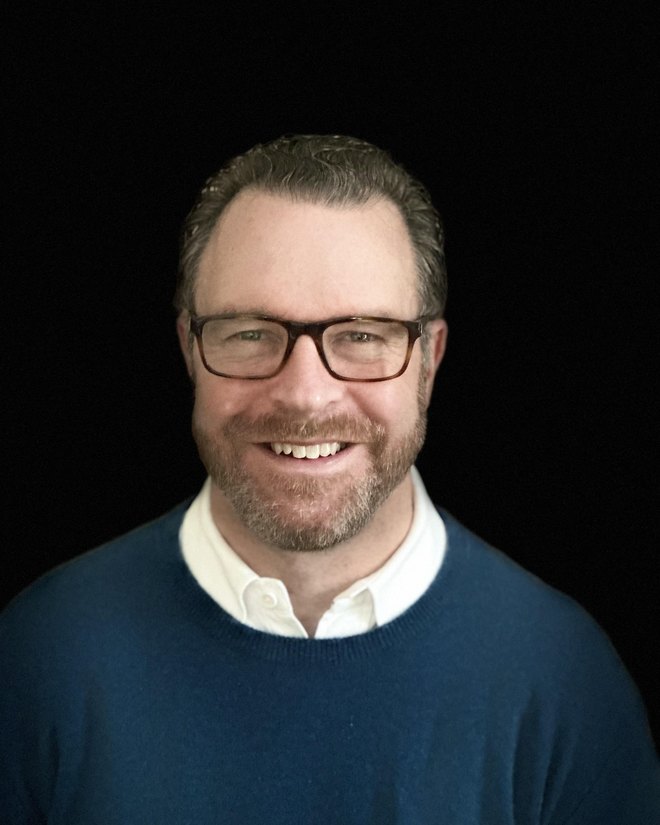
Robert Bunn prosecuted white-collar crime for Florida’s Tenth Judicial Circuit and spent more than fifteen years as chief legal officer of an international private equity firm. He now spends much of his time on a question neither job prepared anyone for: what a lawyer owes when part of the work is done by something that cannot be disbarred.
His firm, BUNN.Law, PLLC, in Gainesville, handles estate planning and outsourced general counsel work for business owners and professionals. Through Artificially Intelligent Law® and The Artificial Intelligence Agency™, he works with attorneys, firms, and businesses on bringing AI agents into daily practice. Every engagement starts in the same place, and it is not a demo. It is the Rules of Professional Conduct.
Most firms do it the other way around. They buy the subscription, run it for a quarter, and get to the ethics question the first time someone asks who checked the citations. Bunn’s argument is that the order is the whole thing. Competence, confidentiality, supervision, candor to the tribunal: those duties were written for humans delegating to humans, and they carry over to AI agents more cleanly than most lawyers expect. The ABA saw it coming in 2012, when it retitled Model Rule 5.3 from responsibilities regarding nonlawyer assistants to nonlawyer assistance: the duty follows the work, not the worker. Florida took a different route to the same place. Florida Ethics Opinion 24-1 advises lawyers to review generative AI's work product as they would a paralegal’s. And since October 2024, the comment to Rule 4-5.3 has provided that a lawyer should consider safeguards when assistants use generative artificial intelligence, and has placed AI among the outside services a lawyer must make reasonable efforts to keep compatible with the lawyer’s professional obligations. What does not carry over is responsibility. That stays with whoever signed the filing.
The frame he uses with attorneys is one they already know from managing associates and paralegals. You do not sign what you have not read. You do not send out work you cannot defend. Confidential client material does not go anywhere that has not been vetted. An agent that drafts a motion in four seconds changes none of that. It only makes it easier to forget.
An AI agent can draft, research, and summarize. It cannot be responsible for the result. That part has not moved.
He runs the same discipline with business leaders, where the bar rules do not apply but the failure mode is identical: work leaves the building that nobody senior actually read. The estate planning half of his practice comes at a related problem from the other side. He wrote Emergency Manual®: A Bridge to Certainty™ Through Estate Planning, While Traveling at the Speed of Life, which opens with a question most people would rather skip. If something happened to you tomorrow, would you, and the people who love you, know what to do? Different subject, same worry about what happens when nobody prepared for the handoff.
Robert leads a breakout session, Practicing Law, Intelligently. It is built for the people who actually run legal work in North Central Florida: attorneys, paralegals, firm administrators, and judges. He covers what AI agents can do inside a practice today, where the Rules of Professional Conduct draw the line, and how to supervise the work so a firm gets the speed without handing a client a problem. Anyone who has been avoiding the subject will find it a reasonable place to start. So will the ones already using it and not saying so.
Early Access
Artifact AI Summit takes place February 12, 2027, in Alachua, Florida. Join the early access list for advance registration opportunities, speaker announcements, program updates, and special event news. Space will be intentionally limited to preserve the personal, participatory nature of the gathering.
Receive registration announcements and Artifact AI Summit updates. You may unsubscribe at any time.